


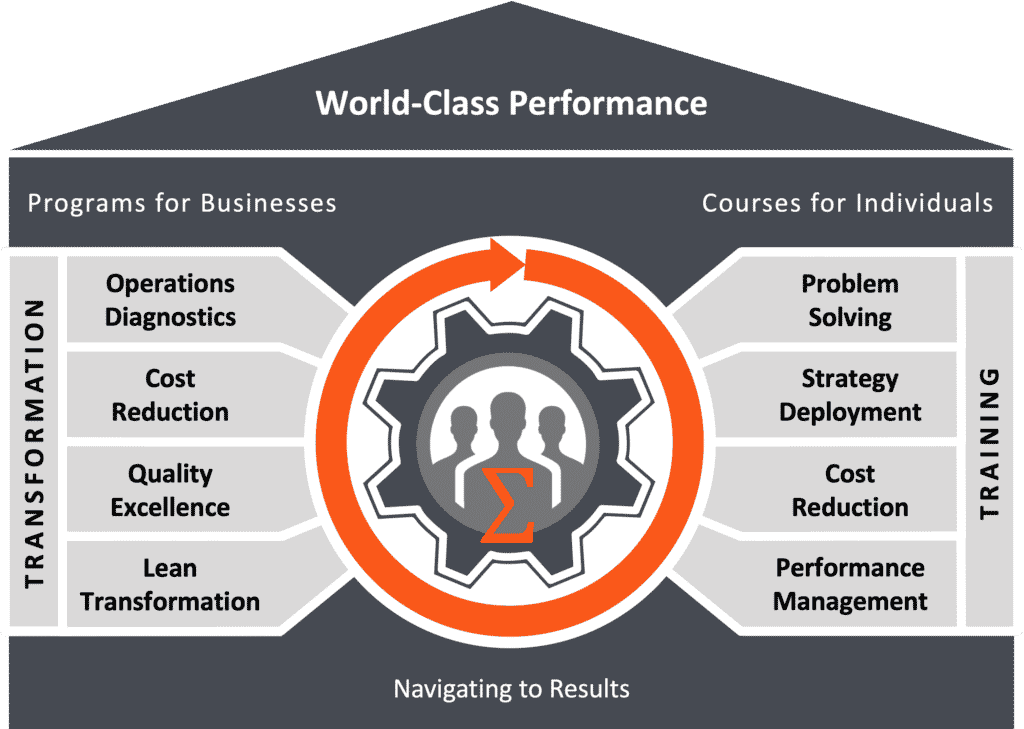

Operational Excellence Consulting for Competitive Advantage
Transformation programs for manufacturers and service-providers to achieve goals with less time, effort, capital – while creating an unbeatable competitive advantage.

Lean Questionnaire for Business Benchmarking
Do you operate at a world-class level? Take the lean-questionnaire to determine operational health and maturity level relative to best-in-class organizations.

Operations Academy for Career Advancement
Training courses for result-oriented leaders, managers, and functional specialists to build future-proof skills that accelerate careers, supported by an expert coach.

Operational Excellence and Lean Tools, Templates, Trainings
Download free tools and templates, buy professional toolkits and guidebooks, upgrade your membership plan, and book training and consulting sessions.

Construction: Developing Offsite Manufacturers to Build Mega City
Supplier Certification System (SCS) to systematically assess, certify, and develop offsite manufacturers to build the futuristic mega-city in Saudi Arabia in record time and efficiency.

Pharma: Improving Production Efficiency to Help More Patients
Production Efficiency Program (PEP) for a French pharmaceutical plant to increase filling-rate of thrombosis-therapeutics +32%, closing a growing gap between plant output and patient demand.

Materials: Solving Bottlenecks to Boost Throughput
Overall Equipment Effectiveness (OEE) improvement of printed circuit board production through systematic elimination of 68% flow-stoppers in just two months using Fault Tree Analysis (FTA).

Semiconductors: Cost-per-Move Reduction to Save the Budget
Cost Savings Program (CSP) for a major chip manufacturer reduces Cost-Per-Move (CPM) through adaptive maintenance, systematic barrier removal, and rigorous performance management by $118 million.
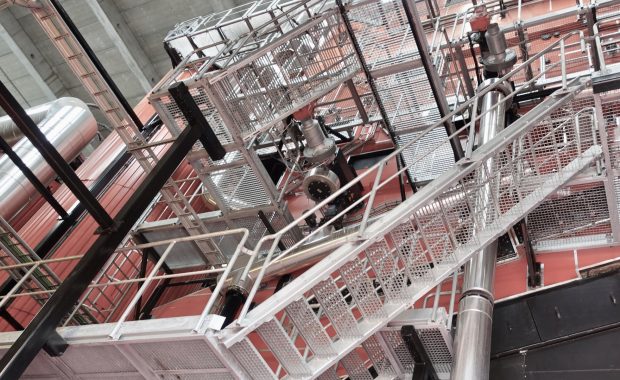
Energy: More Reliable Heat for More People
Lean Transformation Program (LTP) for Kvitebjørn Varme to realize its vision to become Norway’s most reliable energy-supplier, delivering more heat, more consistently to more people.

Plastic Film: Path to World Class Manufacturing
Lean Transformation Program (LTP) for an European polyethylene packaging film producer to bring plants on path to world-class manufacturing (WCM), while boosting yield and productivity.
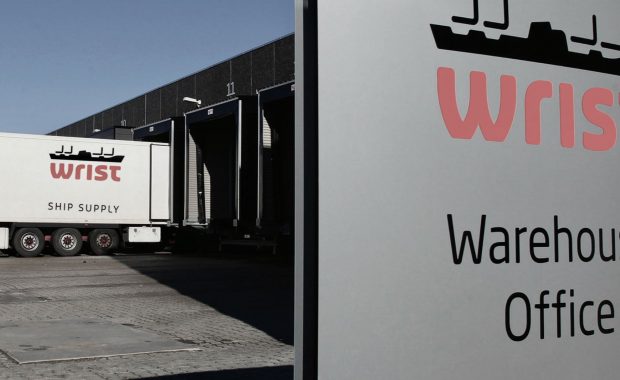
Ship Service: Performance Improvement Program
Performance Improvement Program (PIP) for the world’s largest ship supplier to improve operating efficiency of regional centers in Europe, Far East, Middle East, and USA.
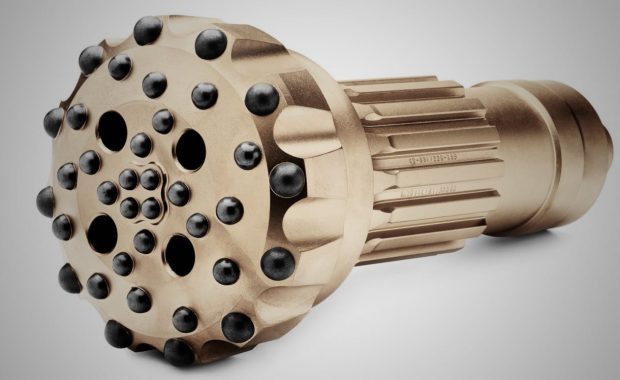
Rock Tools: Lean Development Cuts Time-to-Market
Lean Product Development (LPD) for a major supplier to the mining and construction industries, reducing time-to-market (TTM) of new developments by 35% within 2 years.

Automotive Safety: Audits for Future Factory Design
Lean Operations Diagnostics (LOD) for the largest automotive safety supplier, assessing main manufacturing sites and development centers to deliver critical inputs for the factory-of-the-future design.

Beverage Production: PDCA Cuts Non-Quality Costs
Quality Excellence Program (QEP) for a global ingredients manufacturer to reduce first-time-incorrect (FTI) rate of product mixes delivered to the world’s largest non-alcoholic beverage companies.
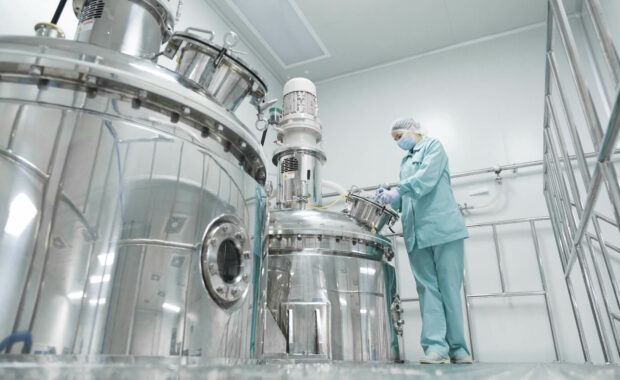
Pharma: Lean Audit for Operations Improvement
Lean Operations Diagnostics (LOD) for a European pharma company to assess manufacturing maturity, while identifying improvement potentials for throughput, yield, flexibility, overall factory efficiency (OFE).
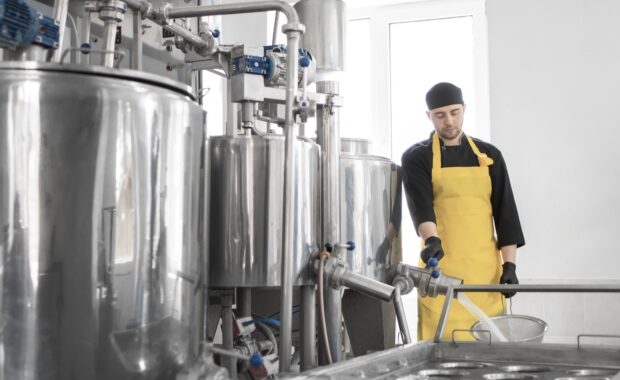
Food Flavors: Journey to World-Class Efficiency
Lean Transformation Program (LTP) for the largest food flavor and fragrance company to streamline operations end to end, achieving industry-leading profitability from world-class operating efficiency.

Power Electronics: Complexity Cost Reduction
Cost Reduction Program (CRP) for Eltek, a global electric power conversion specialist, to reduce the cost base by optimizing interfaces between engineering, operations, and sales.
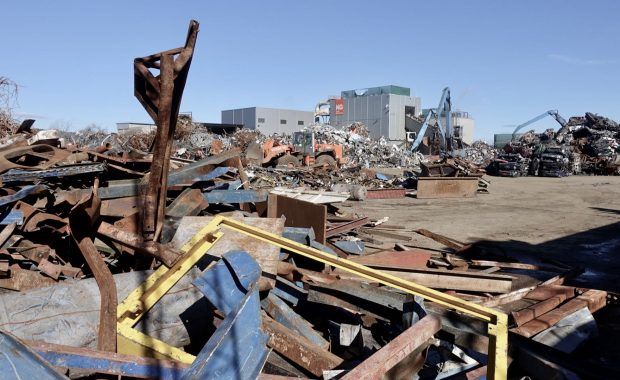
Waste Recycling: Lean Sorting & Processing
Lean Transformation Program (LTP) for Norway’s leading environmental services provider to boost operational efficiency by applying Lean management principles to the seven largest processing plants.

Sporting Goods: Operational Due Diligence
Lean Operations Diagnostics (LOD) for private equity as part of the pre-acquisition due diligence program with focus on four European factories to identify value-creation opportunities.
Industrial Manufacturing: Continuous Improvement
Continuous Improvement Program (CIP) for a Swiss industrial manufacturer makes 13 European factories competitive again by increasing 6-12% in productivity, speed, and quality each year.

Transport & Logistics: Cost Reduction Program
Cost Reduction Program (CRP) for a large industrial multinational with focus on transport and logistics, delivering $15 million annualized savings within the first 4 months.
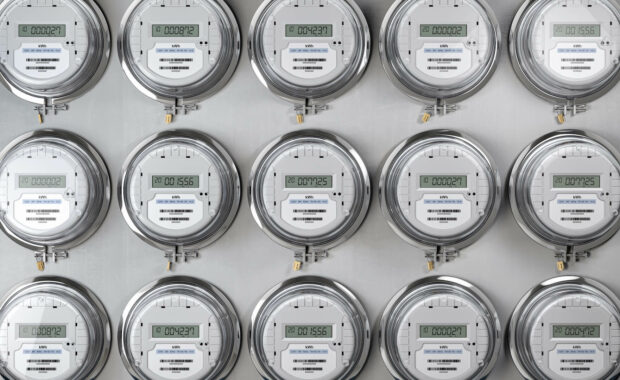
Energy Metering: Quality Program Cuts Cost
Quality Excellence Program (QEP) for a global energy metering company with focus on product reliability to reduce field-failure rates and costs for warranty and repair.
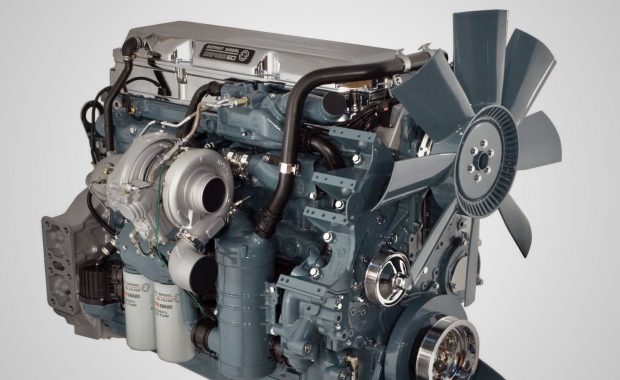
Diesel Engines: Warranty Cost Reduction
Quality Excellence Program (QEP) for large engine manufacturer to improve process capability and product reliability, resulting in $59 million warranty cost reductions in 7 months.
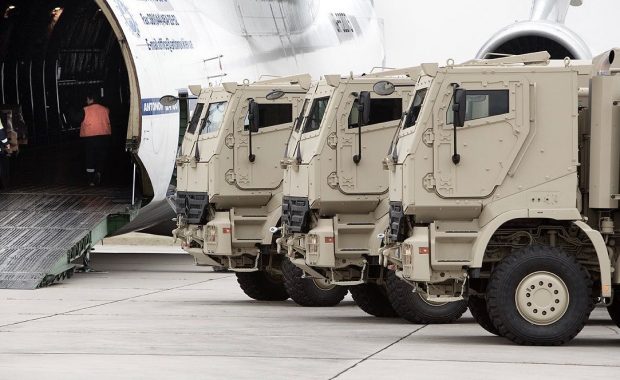
Military Vehicles: Lean Assembly Shortens Lead-Time
Lean Transformation Program (LTP) for the leading truck manufacturer to resolve constraints in assembly and logistics, meeting critical deliveries of military vehicles to the front-line.

Marine Electronics: Lean Management Turnaround
Lean Transformation Program (LTP) to boost manufacturing output of the leading marine-electronics company by de-bottlenecking its main factory in Mexico and rationalizing the manufacturing footprint.

Airline Catering: Labor Productivity Cost Reduction
Cost Reduction Program (CRP) for global airline caterer to meet top-down profitability target by transforming seven factories with focus on planning, manning, manufacturing and logistics.
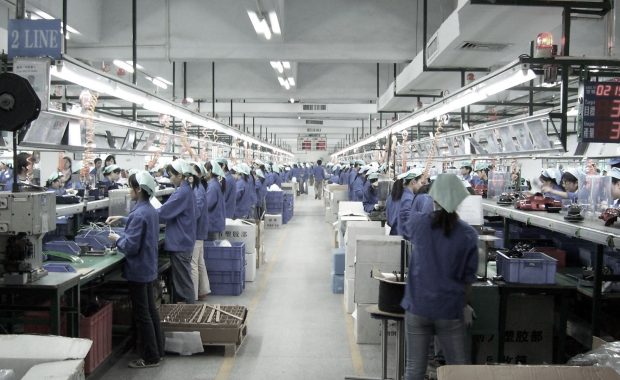
Household Appliances: Factory Consolidation
Cost Reduction Program (CRP) for a household appliance manufacturer in China to significantly reduce operating costs by merging two assembly factories, right-sizing the manufacturing footprint.